A specialist procedure
Zygomatic implant treatment is more complex than conventional implant placement. Thorough medical assessment, anatomical planning and an appropriately trained team are essential.
Longer implants anchored in the strong cheekbone can support fixed teeth when conventional upper-jaw implants are not feasible.
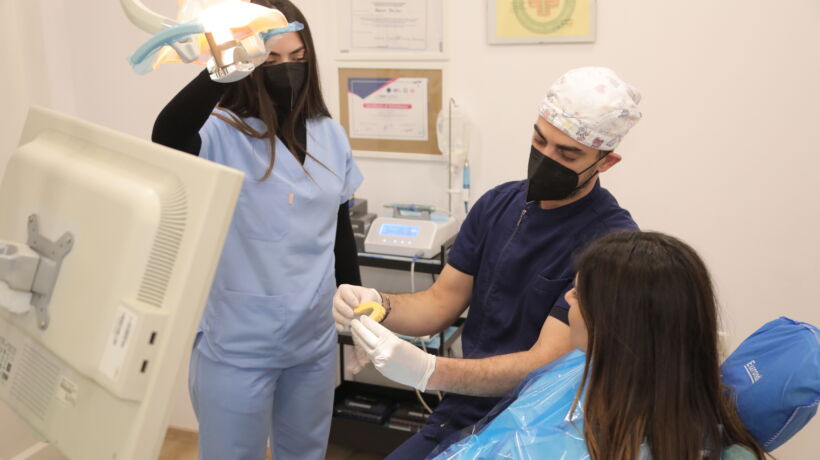
Zygomatic implants are significantly longer than conventional implants and engage the dense zygomatic bone. They are used in highly selected cases where severe upper-jaw bone loss would otherwise make fixed implant treatment difficult.
The technique can avoid extensive bone grafting and shorten the route to fixed teeth, but it requires specialist training, detailed three-dimensional planning and an experienced restorative team.
i Every recommendation is confirmed after an in-person clinical assessment.
Real care, considered from every angle.
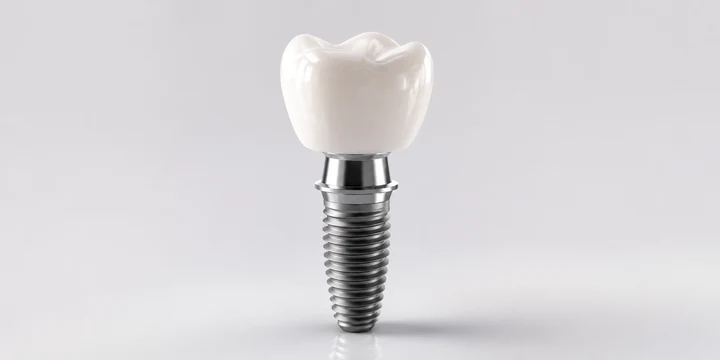
A fixed-treatment pathway for severe upper-jaw bone loss
Uses strong cheekbone anchorage
Can remove the need for major bone grafting
High primary stability in carefully selected cases
Immediate provisional teeth may be possible
An alternative to long-term removable dentures
Your diagnosis, treatment and follow-up are connected by one coordinated clinical plan.
Common reasons to explore the treatment—not a substitute for diagnosis.
A clear sequence helps you understand what happens, why it matters and when decisions are made.
CBCT imaging maps the cheekbone, sinuses and surrounding anatomy.
Implant paths and the fixed restoration are digitally coordinated.
Zygomatic and supporting implants are placed under controlled conditions.
Temporary and final teeth follow the planned healing pathway.
Zygomatic implant treatment is more complex than conventional implant placement. Thorough medical assessment, anatomical planning and an appropriately trained team are essential.
By anchoring outside the atrophic jawbone, the technique can reduce the need for graft harvesting, sinus lifts and long graft-healing periods.
We will discuss the details that apply specifically to your health, anatomy and goals.
They are an established specialist option, but careful case selection, advanced imaging and experienced surgical execution are essential.
They are specifically used to avoid major grafting in many severe upper-jaw cases, although each treatment plan is individual.
Immediate provisional teeth may be possible when stability and clinical conditions allow.
The restoration is designed to function like fixed implant-supported teeth. Adaptation and hygiene instruction remain important.
Tell us what you want to improve or share your existing X-ray for an initial conversation.
From a single missing tooth to advanced full-arch solutions.
Gum care, whitening, veneers and prosthetic solutions planned around you.
Surgical, orthodontic and pediatric expertise, with sedation when needed.
Advanced imaging, digital scanning and laser care for confident planning.

We’ve noticed you’re visiting
from the United States.
Discover how thousands of Americans are
saving 60–80% on premium dental care
in Albania without compromising on quality.
Your privacy is important to us.