Braces
Metal braces are versatile and highly effective. Ceramic braces use tooth-coloured components for a more discreet fixed option.
Align teeth and guide the bite with metal braces, discreet ceramic braces or removable clear aligners.
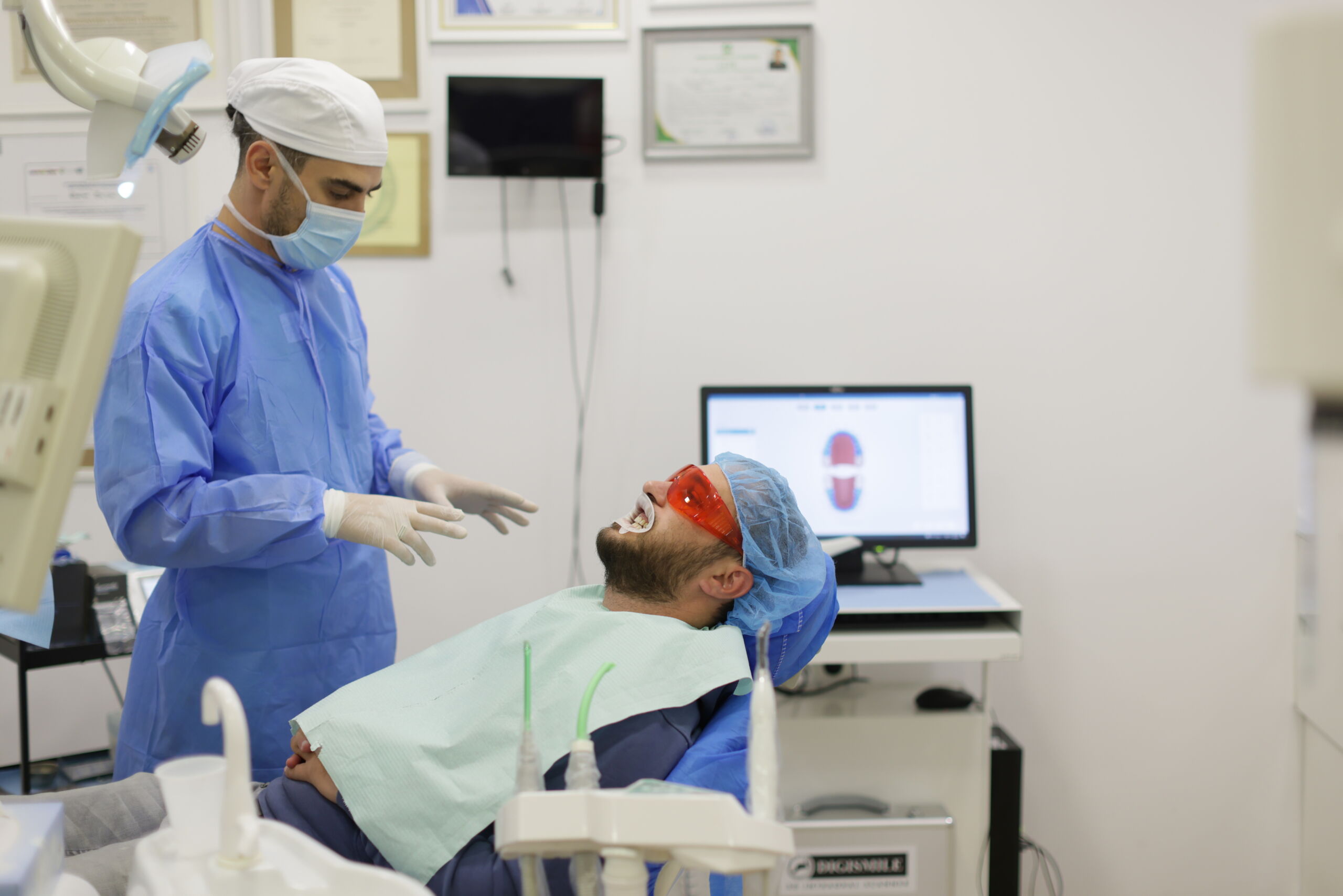
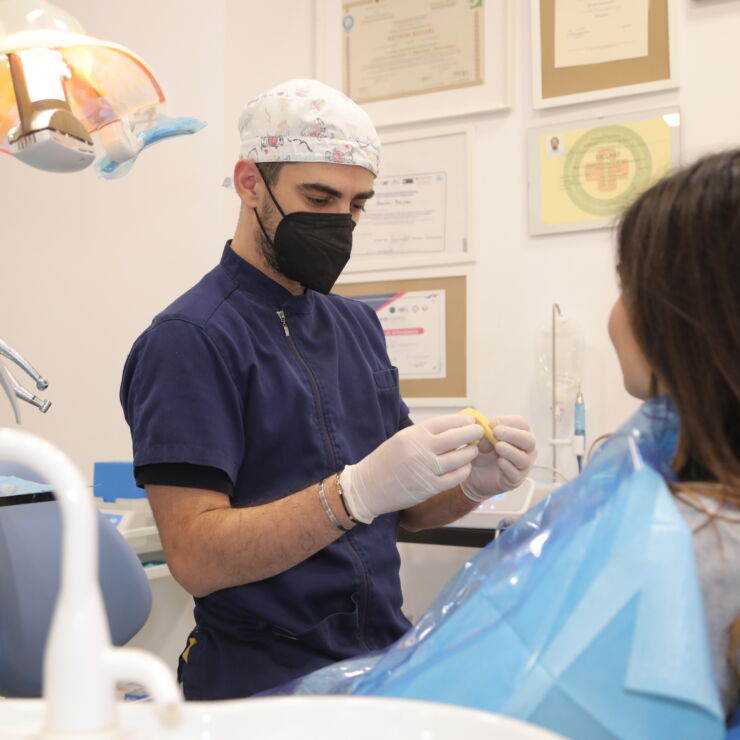
Orthodontics moves teeth into healthier positions and improves how the upper and lower jaws meet. Better alignment can make cleaning easier, distribute forces more evenly and refine the smile without reshaping healthy teeth.
Treatment may use traditional metal braces, tooth-coloured ceramic braces or removable clear aligners. The best appliance depends on movement complexity, age, daily habits and your ability to follow the plan.
i Every recommendation is confirmed after an in-person clinical assessment.
Real care, considered from every angle.
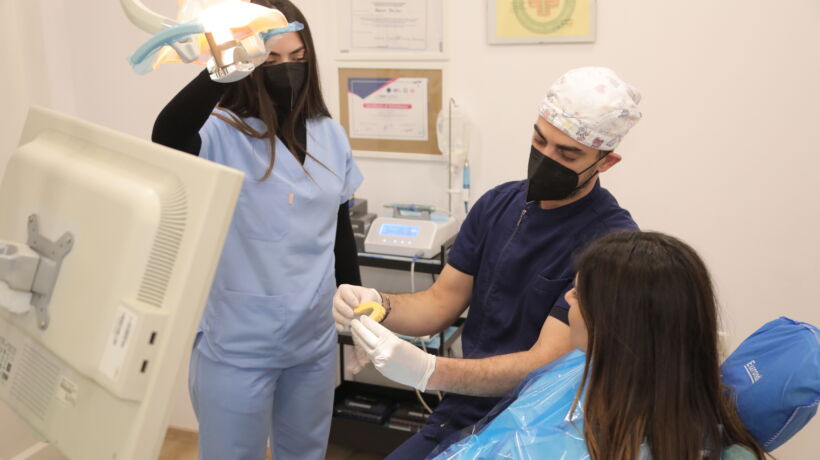
Improved alignment and smile balance
Better distribution of biting forces
Easier access for brushing and flossing
Correction of excessive spacing or crowding
Options ranging from highly efficient to highly discreet
Retention planning to protect the finished result
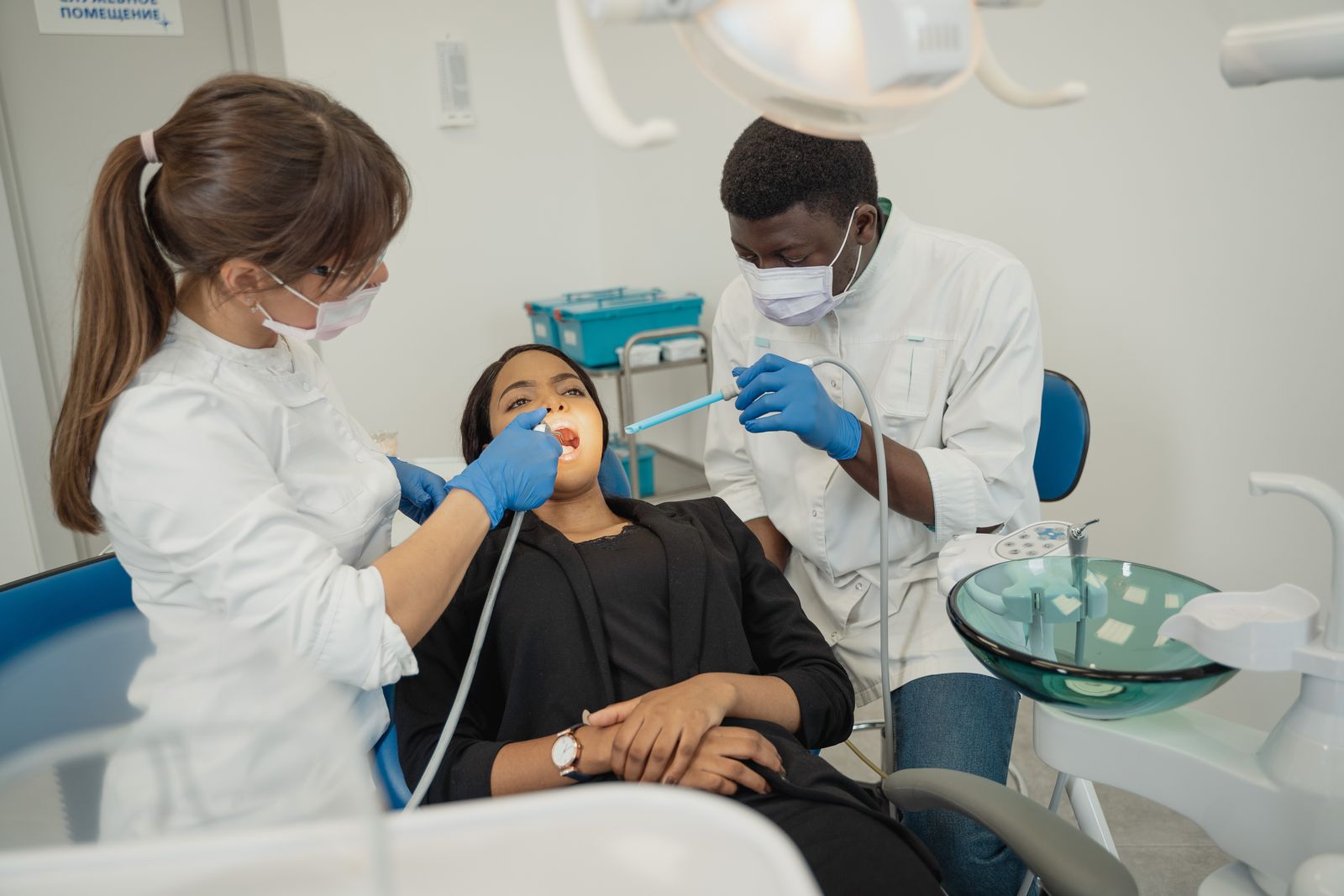
Your diagnosis, treatment and follow-up are connected by one coordinated clinical plan.
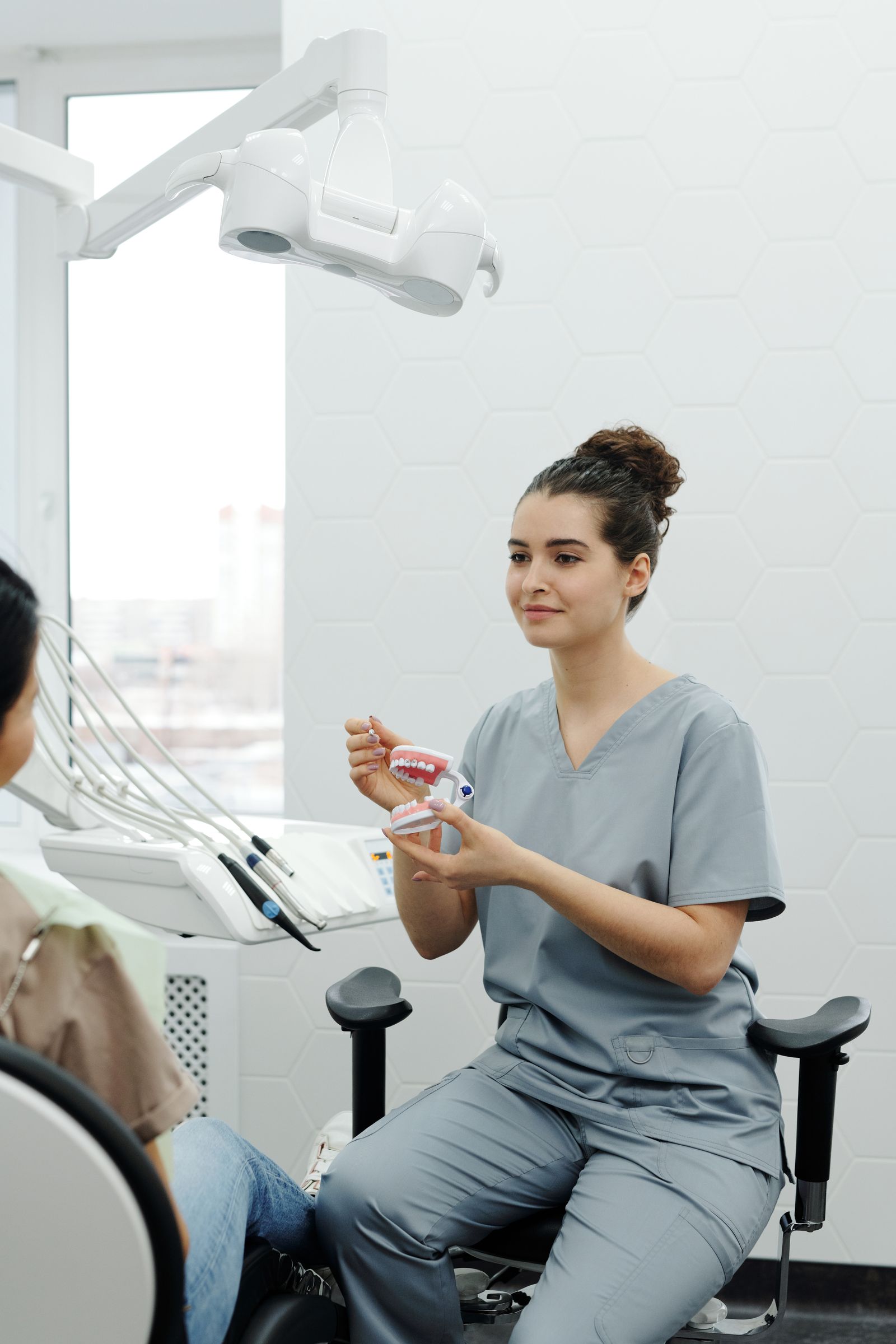
Common reasons to explore the treatment—not a substitute for diagnosis.
A clear sequence helps you understand what happens, why it matters and when decisions are made.
Photographs, scans, X-rays and bite assessment build the diagnosis.
Movements, appliance choice, duration and retention are planned.
Teeth move through monitored brace adjustments or aligner stages.
Retainers protect the corrected positions after active treatment.
Metal braces are versatile and highly effective. Ceramic braces use tooth-coloured components for a more discreet fixed option.
A sequence of removable transparent aligners gradually moves teeth. Success depends on wearing them consistently and suitability for the required movements.
We will discuss the details that apply specifically to your health, anatomy and goals.
Adults can often be treated successfully when teeth and supporting tissues are healthy. Age alone is not the deciding factor.
No. They are effective for many cases, but some complex movements are more predictable with fixed appliances or combined approaches.
Many treatments take 12–36 months, but complexity, appliance type, biology and cooperation all affect duration.
Teeth naturally tend to move after treatment. Retainers help stabilise the new positions and protect your result.
Tell us what you want to improve or share your existing X-ray for an initial conversation.
From a single missing tooth to advanced full-arch solutions.
Gum care, whitening, veneers and prosthetic solutions planned around you.
Surgical, orthodontic and pediatric expertise, with sedation when needed.
Advanced imaging, digital scanning and laser care for confident planning.

We’ve noticed you’re visiting
from the United States.
Discover how thousands of Americans are
saving 60–80% on premium dental care
in Albania without compromising on quality.
Your privacy is important to us.