Dental implants: what good planning involves
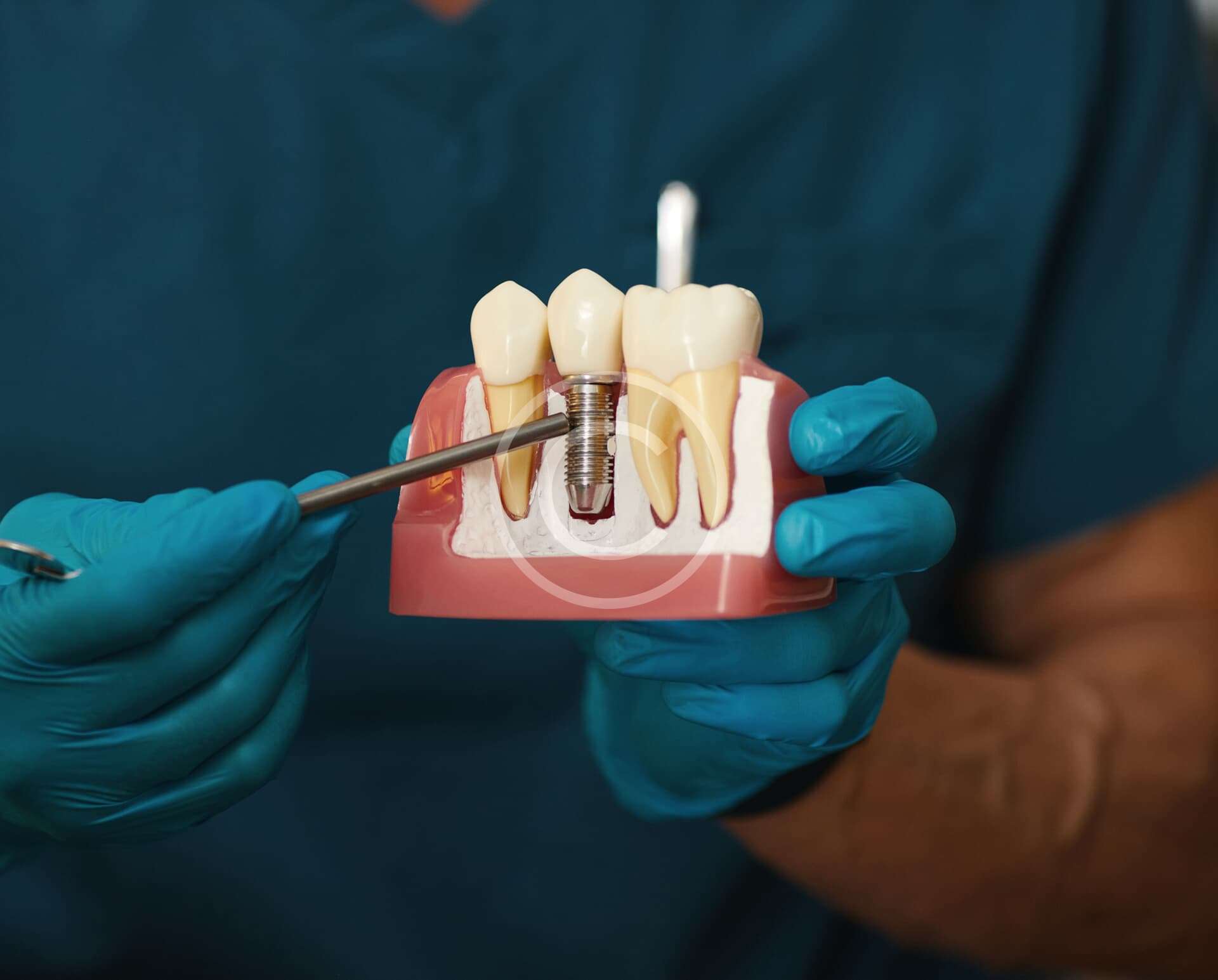
A dental implant is a small fixture placed in the jawbone to support a crown, bridge or denture. The visible tooth is only one part of the result: predictable implant care begins with diagnosis, careful planning and a realistic discussion of benefits, limitations and maintenance.
Is an implant suitable for everyone?
Suitability is individual. The dentist considers the number and position of missing teeth, available bone, gum health, bite, medical history, medications, smoking and the patient’s ability to maintain the restoration. Active decay or gum infection usually needs to be controlled before implant surgery.
Some people need additional procedures, such as bone augmentation, while others may be better served by a bridge, removable denture or a different implant design. A consultation should compare reasonable alternatives rather than presenting one solution automatically.
What the planning appointment may include
- A clinical examination of the teeth, gums, bite and smile.
- Dental photographs and digital impressions or an intraoral scan.
- Two-dimensional X-rays and, when justified, a 3D CBCT scan.
- Assessment of bone volume and nearby anatomical structures.
- A restorative plan showing how the final tooth or teeth should look and function.
Digital tools help the team visualise the proposed result and coordinate the surgical and restorative stages, but technology supports—not replaces—clinical judgement.
Typical treatment stages
After planning, the implant is placed under appropriate anaesthesia. A healing period allows the bone to integrate with the implant. Depending on the case, a temporary tooth may be possible during healing. The final crown, bridge or denture is then designed, fitted and checked for appearance, bite and cleanability.
Timelines differ considerably. Bone grafting, healing response, the number of implants and the type of restoration can all affect the sequence.
Maintenance is part of the treatment
Implants cannot develop tooth decay, but the tissues around them can become inflamed. Daily cleaning around the implant, professional maintenance and monitoring of the bite are essential. Smoking and poor plaque control increase the risk of complications.
Questions to ask during consultation
- What alternatives are appropriate in my case?
- Do I need bone or gum augmentation?
- Will I have a temporary tooth during healing?
- What are the main risks and expected maintenance requirements?
- Who will coordinate the surgical and restorative stages?
Sources and further reading: Cambridge University Hospitals NHS: Dental Implants in Restorative Dentistry and CDC: About Tooth Loss.
This article provides general information and does not replace an implant consultation, diagnostic imaging or an individual treatment plan.